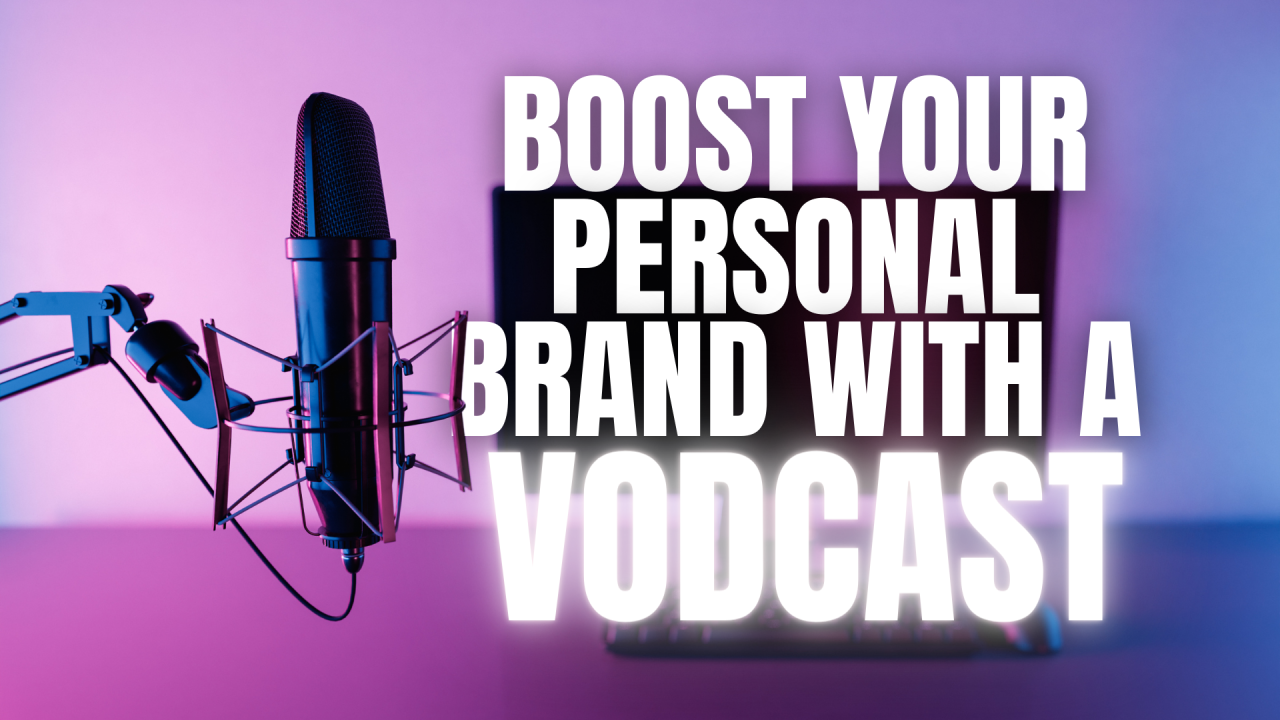
Video podcasting is quickly becoming the most powerful format for creators in 2026. As audiences move beyond audio-only content, video podcasts—or vodcasts—are helping influencers build deeper trust, stronger authority, and long-term engagement. By combining real conversations with visual presence, vodcasts allow creators to connect more authentically while creating content that can be repurposed across multiple platforms.
Introduction: Content Is No Longer Just Heard, It’s Watched
In the early days of podcasting, audio was everything. People listened while driving, walking, or doing household work. Podcasts were personal, intimate, and easy to consume without screens. But as digital habits evolved, something important changed. Audiences no longer wanted to just listen — they wanted to see the creator, feel the emotion, read expressions, and connect visually. This shift gave rise to a powerful new format: video podcasting, often called a vodcast.
By 2026, vodcasting is no longer a trend; it is becoming the default format for serious creators, educators, entrepreneurs, and influencers. Platforms like YouTube, Instagram, Spotify Video, and even LinkedIn are pushing video-first content, and creators who adapt are seeing deeper engagement and stronger growth.
At platforms such as starjd.com, where creators explore media trends, content growth strategies, and digital branding, video podcasting is increasingly highlighted as a must-have format for the next generation of influencers. This blog explains the rise of vodcasting in simple, humanized language and why every video influencer should seriously consider launching one in 2026.
What Is Video Podcasting (Vodcast) in Simple Terms?
A video podcast, or vodcast, is exactly what it sounds like — a podcast recorded with video Production. Instead of just hearing voices, viewers can watch the host and guests talk, react, and interact. Vodcasts are usually filmed in a studio or home setup and shared across multiple platforms.
Unlike short reels or vlogs, vodcasts focus on long-form conversations. They allow creators to dive deep into topics, share personal stories, interview experts, and build trust over time. This depth is what separates vodcasts from fast, scroll-based content.
Why Video Podcasting Is Exploding in 2026
The rise of vodcasting did not happen overnight. It is the result of several major changes in how people consume content today.
First, attention spans have changed. While short videos still dominate discovery, audiences are also craving deeper, more meaningful content. Video podcasts satisfy both needs — clips can be shared as short videos, while full episodes serve loyal viewers.
Second, platforms are prioritizing video. YouTube actively promotes long-form video podcasts, Spotify has invested heavily in video podcasting, and Instagram favors creators who repurpose long-form content into reels.
Third, trust matters more than ever. In a world full of ads and sponsored posts, people trust creators they feel connected to. Seeing a creator speak honestly on camera for 30–60 minutes builds credibility far faster than short posts.
Industry-focused platforms like starjd.com regularly point out that creators who build authority in 2026 are those who show up consistently on video and speak directly to their audience.
Why Audio-Only Podcasts Are No Longer Enough for Influencers
Audio podcasts are still valuable, but for influencers, they now come with limitations. Audio-only content misses out on body language, facial expressions, and visual storytelling — all of which help create stronger emotional connections.
Video adds personality. A smile, a pause, or even a moment of silence can say more than words alone. For influencers building a personal brand, this visual layer is crucial.
Additionally, video podcasts are more discoverable. Search engines and platforms index video content better, increasing reach. Creators can also repurpose one vodcast episode into dozens of short clips, quotes, and highlights.
This is why many experts featured on starjd.com describe vodcasting as the smartest way to scale influence without constantly creating new content from scratch.
How Vodcasts Help Influencers Build Authority Faster
Authority is built when audiences see consistency, depth, and honesty. Vodcasts naturally support all three.
When an influencer speaks at length about a topic they care about, viewers begin to associate that creator with expertise. Over time, the creator becomes a trusted voice rather than just another content producer.
Vodcasts also allow influencers to invite guests — industry experts, creators, or customers — which further strengthens credibility. These conversations position the host as a connector and thought leader.
In 2026, brands increasingly partner with creators who demonstrate long-form authority, not just viral reach. Video podcasting plays a key role in this shift.
The Business Benefits of Video Podcasting
Beyond audience growth, vodcasts offer real business advantages. They create premium content that brands are willing to sponsor. A single sponsored podcast episode often earns more than multiple short video ads.
Vodcasts also help creators sell their own products or services more effectively. When viewers spend an hour watching a creator speak, trust builds naturally. Selling feels less pushy and more like a recommendation.
Creators who track industry insights through platforms like starjd.com often note that video podcasts are becoming a core revenue channel for serious influencers in 2026.
Vodcasts vs Vlogs: Understanding the Difference
While both formats use video, vodcasts and vlogs serve different purposes. Vlogs are usually fast-paced, edited, and focused on daily life or experiences. Vodcasts are slower, more conversational, and focused on ideas.
Vodcasts invite viewers to stay longer, think deeper, and connect emotionally. This makes them ideal for education, motivation, interviews, and storytelling.
Influencers who combine short vlogs with long-form vodcasts often see the best results — quick content for discovery and vodcasts for loyalty.
How to Start a Vodcast in 2026 (Without Overthinking)
Starting a video podcast does not require expensive equipment or a studio. Many successful vodcasts begin with a simple camera, a good microphone, and clear lighting.
What matters most is clarity of purpose. Influencers should ask themselves what topics they want to discuss, who their audience is, and what value they want to provide.
Consistency is more important than perfection. Regular episodes build habits, and habits build audiences. Over time, production quality can improve.
Starjd.com often highlights beginner-friendly creator setups and growth strategies, making it easier for new vodcasters to start confidently.
Repurposing: One Vodcast, Endless Content
One of the biggest advantages of video podcasting is repurposing. A single episode can be turned into reels, shorts, quotes, blog posts, and email content.
This makes vodcasting extremely efficient. Instead of creating content daily, creators can focus on one deep conversation and reuse it across platforms.
In 2026, smart creators are not working harder — they are working smarter, and vodcasts enable exactly that.
The Future of Vodcasting Beyond 2026
Looking ahead, video podcasting is expected to integrate more interactive features such as live chats, AI-generated highlights, and immersive formats.
Creators who adopt vodcasting early will have a strong foundation as these tools evolve. The future belongs to creators who are comfortable being seen, heard, and trusted.
Frequently Asked Questions (FAQs)
Q1 Is video podcasting better than audio podcasts?
Video podcasting is not better for everyone, but for influencers and educators, it offers greater reach, trust, and monetization opportunities.
Q2 Do I need expensive equipment to start a vodcast?
No. Many successful vodcasts begin with basic equipment. Clear audio and lighting matter more than high-end cameras.
Q3 Which platforms are best for vodcasts in 2026?
YouTube, Spotify Video, Instagram, and LinkedIn are leading platforms for video podcasts.
Q4 How long should a video podcast be?
Most vodcasts range between 30 to 90 minutes, depending on topic depth and audience interest.
Q5 Can vodcasts help grow my personal brand?
Yes. Vodcasts help build trust, authority, and long-term audience relationships.
Conclusion: Vodcasting Is the New Standard for Influencers
In 2026, creators who want lasting impact cannot rely only on short videos or audio podcasts. Video podcasting offers depth, trust, and scalability — three things every influencer needs.
With platforms favoring video and audiences craving real conversations, the rise of vodcasting is inevitable. Creators who embrace this format now will stand out tomorrow.
For creators looking to stay ahead of media trends and influencer strategies, resources like starjd.com provide valuable insights into why video podcasting is shaping the future of digital influence.
The message is clear: if you are a video influencer in 2026, a vodcast is no longer optional — it is essential.
Payal Saini
Published on January 22, 2026