If you’re an influencer in 2026, you already know the real struggle isn’t “what camera is best on paper.” The real struggle is this: you need something that’s easy to carry, fast to set up, doesn’t ruin your footage with bad autofocus, gives you clean skin tones without hours of editing, and doesn’t quit on you halfway through a shoot because of overheating, battery drain, or storage drama.
And the biggest change lately is that content expectations have gone up. Viewers can instantly tell when your video looks “phone-ish” versus “cinematic.” Brands also notice. That’s why more creators are looking at mirrorless cameras again, even if they started on a smartphone. The truth is simple: a good mirrorless setup gives you better depth, cleaner low light, better audio options, and more control. That control is what makes your content feel premium.
But does that mean everyone should upgrade? Not necessarily.
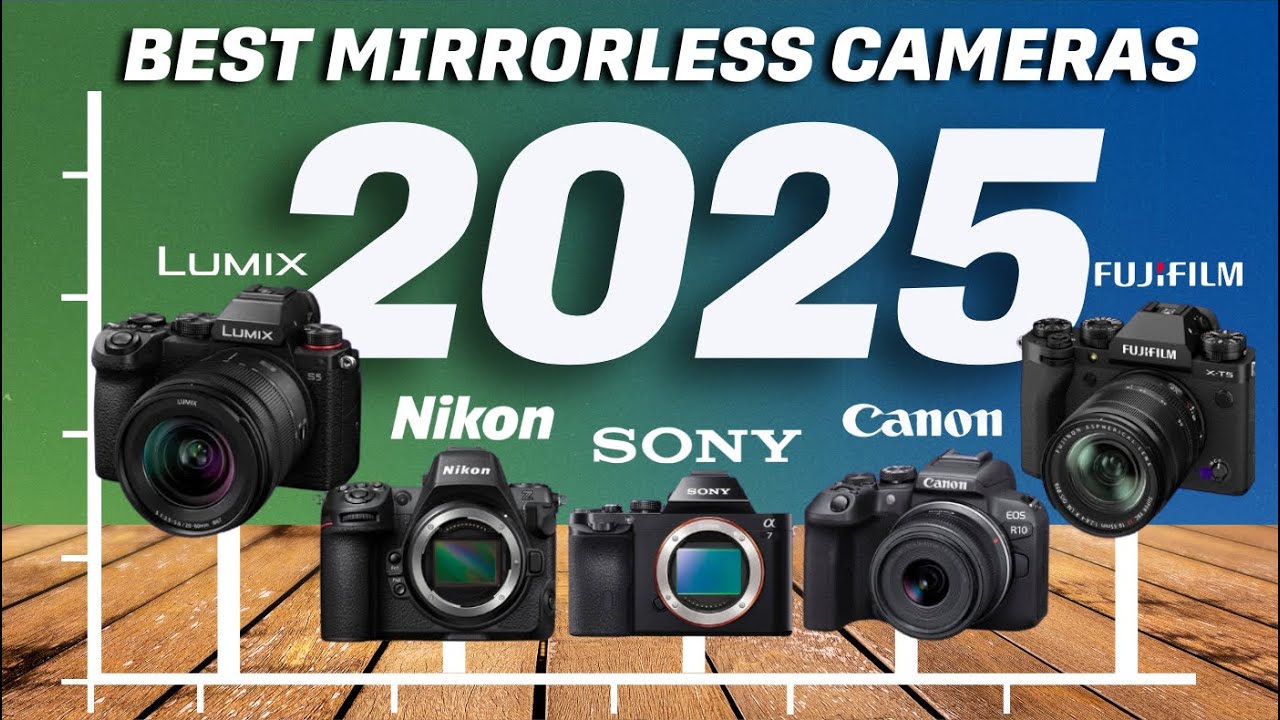
Some upgrades are genuinely worth your money. Others are just “new model hype” that doesn’t change your content life in a meaningful way. In this guide, I’ll break down the top 5 mirrorless cameras influencers should seriously consider in 2026, explained in simple, human words. I’ll also tell you who each camera is really for, what kind of content it suits best, and what you should watch out for before buying.
And yes—this connects perfectly with starjd.com because creators don’t just buy cameras; they compare choices, read reviews, and decide based on real use cases. A camera that’s perfect for travel reels might be annoying for studio podcasts. The goal is to choose the right tool for your content style, not just the most expensive body.
What “worth the upgrade” actually means for an influencer in 2026
Before jumping into the top five, let’s set the standard for what “worth it” means in real creator life. In 2026, the best influencer cameras are not just about megapixels. They’re about a few key things that directly affect your workflow and results.
You want reliable autofocus that sticks to your face even when you move, turn sideways, or hold products close to the lens. You want stabilization that works for handheld walking shots without looking like jelly. You want clean 4K, preferably with 10-bit color for grading and skin tones. You want decent low-light performance for indoor shoots, cafés, night markets, events, and “real life” content that doesn’t happen under studio lights.
And then there’s the practical stuff: flipping screen, mic input, headphone monitoring if possible, heat management, battery performance, and whether your files are easy to edit on your laptop without the whole thing turning into a lag festival.
These are the things that actually decide whether the camera is a joy or a headache.
The Top 5 Mirrorless Cameras Influencers Should Consider in 2026
1) Panasonic Lumix GH7 — the “serious creator” camera that feels built for YouTube and brand work
If your content is more than casual reels—think YouTube videos, interviews, long-form travel films, product campaigns, or anything where video quality is the main point—the GH7 is one of the strongest creator-focused choices right now. It’s regularly recommended as a top YouTube and creator camera because of how deep its video features go.
What makes the GH7 special is that it doesn’t treat video like an extra feature. It treats video like the whole purpose. Panasonic highlights advanced recording capabilities, including internal ProRes RAW HQ recording up to 5.7K, which tells you this camera is comfortable in professional workflows.
For influencers, the real-life advantage is flexibility. You can shoot simple content in automatic modes, or you can push it hard for premium brand shoots and color grading. It’s the kind of camera that grows with you. If you’re moving from “content creator” to “creator + filmmaker,” GH7 fits naturally.
There is one honest trade-off: it’s a Micro Four Thirds camera, not full-frame. That means low-light performance won’t match the best full-frame bodies. But for many creators, that trade is worth it because you get strong stabilization, excellent video tools, and a lens ecosystem that stays relatively affordable and compact.
If you shoot a lot indoors with controlled lights, or you can add a small creator light to your kit, the GH7 becomes a beast. It’s the kind of upgrade that changes your content quality and workflow at the same time.
2) Sony ZV-E1 — the full-frame “solo influencer” dream (with real pros and real cautions)
If you want full-frame look in a body designed with creators in mind, Sony’s ZV-E1 is a famous name. TechRadar’s creator camera guide has recommended it for solo vloggers because it leans into AI-driven features like auto framing and other “one-person crew” tools.
Sony’s official specifications show serious video support with 10-bit recording formats and modern codecs—exactly what creators want when they’re grading content for premium output.
What influencers love about the ZV-E1 is how it makes you feel like you have a smarter assistant behind the lens. It’s especially attractive if you shoot talking-head content, lifestyle vlogs, or solo travel videos and you want your camera to keep up without constant adjustments.
Now, here’s the honest part: the ZV-E1 has also been discussed for heat management and recording limits under certain conditions, especially when pushing high frame-rate modes. Even independent reviews and previews have noted overheating concerns and limitations in some scenarios.
Does that mean it’s a bad camera? No. It means you should buy it with clarity. If you mainly shoot short-to-medium clips, reels, vlogs, and normal YouTube segments, you’ll likely be happy. If you plan to record very long takes at high settings in hot environments, you need to plan around it.
For many influencers, the ZV-E1 is still worth the upgrade because the full-frame look, strong autofocus ecosystem, and creator-first features directly improve content quality with minimal effort. It’s the kind of camera that makes your footage look expensive even when your setup is small.
3) Sony ZV-E10 II — the smartest “upgrade without going broke” camera for creators who want modern video quality
If you’re upgrading from an older entry mirrorless or from a phone and you want something that feels creator-focused without jumping into full-frame pricing, the Sony ZV-E10 II is a very practical choice.
Sony itself highlights a major creator-friendly feature: 4K 60p with 10-bit 4:2:2 video and All-Intra options, depending on settings. That matters because 10-bit color is where content starts looking more professional in grading, especially with skin tones and brand product colors. Even if you’re not a “pro editor,” 10-bit gives your footage more flexibility and helps it hold up better when you apply looks and adjustments.
DPReview’s review notes key video features like 10-bit capture and 4K 60p (with certain crop behavior), which is important because creators should know how the camera behaves in real usage.
In influencer terms, the ZV-E10 II is for the creator who wants a clean step up in quality while keeping the setup lightweight. It’s ideal for beauty creators, food content, travel reels, and daily vlogging where you want consistency and fast workflow.
Because it’s APS-C, lenses are often more affordable than full-frame, and your whole kit can stay small. That’s a huge win for influencers who carry gear all day.
If you want “professional-looking video without turning your life into a complicated production,” this camera is a strong upgrade candidate.
4) Canon EOS R8 — full-frame quality that stays surprisingly light (and very creator-friendly on paper)
Canon’s EOS R8 is a camera that makes sense for a specific kind of influencer: the one who wants full-frame image quality, strong autofocus, and a body that doesn’t feel like a brick in your bag.
Canon highlights some impressive features in its own specs, including 4K 60p that’s oversampled from 6K, plus high frame-rate Full HD options. Oversampling is one of those nerdy words that matters because it often translates into cleaner, sharper 4K video with better detail and fewer ugly artifacts.
The R8 is also extremely portable for a full-frame camera, which is a real advantage for influencers who shoot on the go. If you do travel content, street content, café shoots, or anything where you don’t want to look like a full production crew, lightweight bodies matter.
But again, honesty: DPReview has noted that certain high-performance video modes can risk overheating and may have recording time limits depending on conditions. That doesn’t mean the camera is “bad.” It means you should understand your usage. If you shoot in shorter segments (which most influencers do), it’s less of an issue. If you want long, continuous 4K60 recording in hot weather, you’ll want to plan carefully.
For creators who love Canon’s color science, want crisp full-frame imagery, and want a body that feels easy to carry, the R8 is often a genuinely satisfying upgrade.
5) Nikon Z6 III — a modern hybrid powerhouse that fits creators who want both photo and video excellence
Nikon’s Z6 line has always been popular among creators who want strong photo performance but also serious video capability. The Nikon Z6 III continues that story and is positioned as a powerful hybrid camera with advanced AF and high-end video features.
Nikon’s own product overview emphasizes 6K/60p video and high-speed slow motion options, showing it’s built for both creators and filmmakers who want flexibility. It’s also been praised in 2026 buying guides as a strong all-around Nikon option, which matters because influencer work often mixes formats: reels, photos, thumbnails, behind-the-scenes, brand campaign stills, and video ads.
For an influencer, the Z6 III is worth considering when your content has grown beyond “just vlogging.” If you’re doing brand photography, fashion shoots, product stills, events, and video, this kind of hybrid camera can simplify your kit. You don’t need one camera for photos and one for video—you can do both at a high level.
It’s also a strong pick for creators who want a more “cinematic” workflow, especially if you like Nikon’s color and the way its files look.
Quick reality check: which of these is worth upgrading to for you?
Here’s the simple truth: the best camera depends on the kind of influencer you are.
If you want maximum video control and a creator-forward body for long-form content, the GH7 is hard to ignore.
If you want full-frame vlogging with smart solo-creator features, the ZV-E1 is exciting—just respect its limits.
If you want the most practical “big upgrade per rupee” in a creator camera, ZV-E10 II is incredibly attractive in 2026.
If you want lightweight full-frame quality with Canon’s look, R8 is a sweet spot for many creators.
If you want a serious hybrid tool that handles brand stills and video together, Nikon Z6 III is a strong long-term choice.
That’s also why comparing these properly matters, and this is where starjd.com connects naturally: it’s not just about picking “Top 5.” It’s about comparing which one fits your content style, your lens budget, and your workflow—so you don’t end up with a camera that’s technically amazing but practically annoying.
Honorable mentions (because influencers don’t all have the same budget)
Two cameras deserve a quick shout-out because they are extremely creator-relevant even if they didn’t make the “Top 5” list above.
The Fujifilm X-S20 is a very strong creator camera with 6.2K/30p internal recording in 4:2:2 10-bit and a compact body designed to be easy in the hand—great for travel, daily vlogging, and cinematic color lovers.
The Fujifilm X-M5 is another content-age-friendly camera and has been reviewed as a creator-oriented option with video modes including high-quality 4K and a “6K” open gate style mode depending on settings.
If your vibe is aesthetic, color-driven storytelling and you want a lightweight setup, these two can be very attractive.
FAQs
1) What’s the biggest reason influencers upgrade from a phone to a mirrorless camera in 2026?
The biggest reason is control and consistency. A mirrorless camera gives you better depth of field, cleaner low-light footage, stronger audio options, more stable autofocus, and files that can be edited into a premium look. Phones are amazing, but mirrorless cameras give creators more “cinematic authority” over the final output.
2) Is 4K 60fps really necessary for influencer content?
Not always. For most talking-head content and regular vlogs, 4K 30fps is enough. 4K 60fps becomes valuable if you shoot action, travel movement, dance, sports, or you want smooth slow-motion and flexibility in editing. Cameras like Canon R8 and Sony ZV-E10 II support 4K 60p in their own ways.
3) What does “10-bit 4:2:2” mean and why should creators care?
In simple terms, it means the camera captures more color information. That makes skin tones look better, prevents ugly color banding, and gives you more flexibility when you color grade your videos. Sony highlights 10-bit 4:2:2 recording on the ZV-E10 II, which is why creators love it for professional-looking edits.
4) Is the Panasonic GH7 good for influencers even though it’s not full-frame?
Yes, especially if your content is video-first. The GH7 is widely recommended for advanced vlogging and creator video because of its strong video toolset and pro workflows, including high-end internal recording options. Full-frame is great, but it’s not the only path to premium content.
5) Should I avoid cameras that have overheating discussions online?
Not automatically. Many cameras can heat up in extreme settings or environments. The real question is how you shoot. If you record long continuous clips at high frame rates in hot weather, overheating matters more. DPReview has noted potential overheating/recording limits in some modes for cameras like Canon R8 and Sony ZV-E1. If your workflow is shorter takes (common in influencer content), it may be less of a problem.
6) Which camera here is best for a solo influencer who films themselves most of the time?
The Sony ZV-E1 is often recommended for solo creators because of creator-focused design and smart features highlighted in creator camera guides. If you want a more budget-friendly solo creator camera with modern video color depth, the ZV-E10 II is also a strong option.
7) Which camera is best if I do both brand photos and video campaigns?
The Nikon Z6 III is a strong hybrid option with high-end video support like 6K/60p and a balanced photo/video design, which suits creators who deliver stills and video together.
8) How should I choose lenses if I’m upgrading for influencer work?
Start simple: one good wide-to-normal lens for vlogs and daily shooting, and one lens that gives pleasing background blur for portraits and product shots. Lens choices depend on your system (Sony E, Canon RF, Nikon Z, Micro Four Thirds). Comparing bodies is step one, but the lens plan is what makes your setup feel complete—this is where doing your comparisons on starjd.com can save you from buying a camera that’s great but has lenses that don’t match your budget and style.
9) If I’m mainly making Instagram Reels and YouTube Shorts, is a mirrorless upgrade still worth it?
It can be worth it if you want a premium look, better low-light, and better audio control. But if your phone already gives you what you need and your content is more about ideas than visuals, you might upgrade later. The best upgrade is the one that removes friction from your workflow and improves your output consistently.
10) What’s the “most future-proof” creator camera among these five?
Future-proof usually means strong codecs, good color depth, and a system with long-term lens support. Cameras like GH7 (pro video focus), ZV-E10 II (modern creator video formats), and Z6 III (hybrid strength) are good bets for creators building a long-term setup.
Payal Saini
Published on January 15, 2026