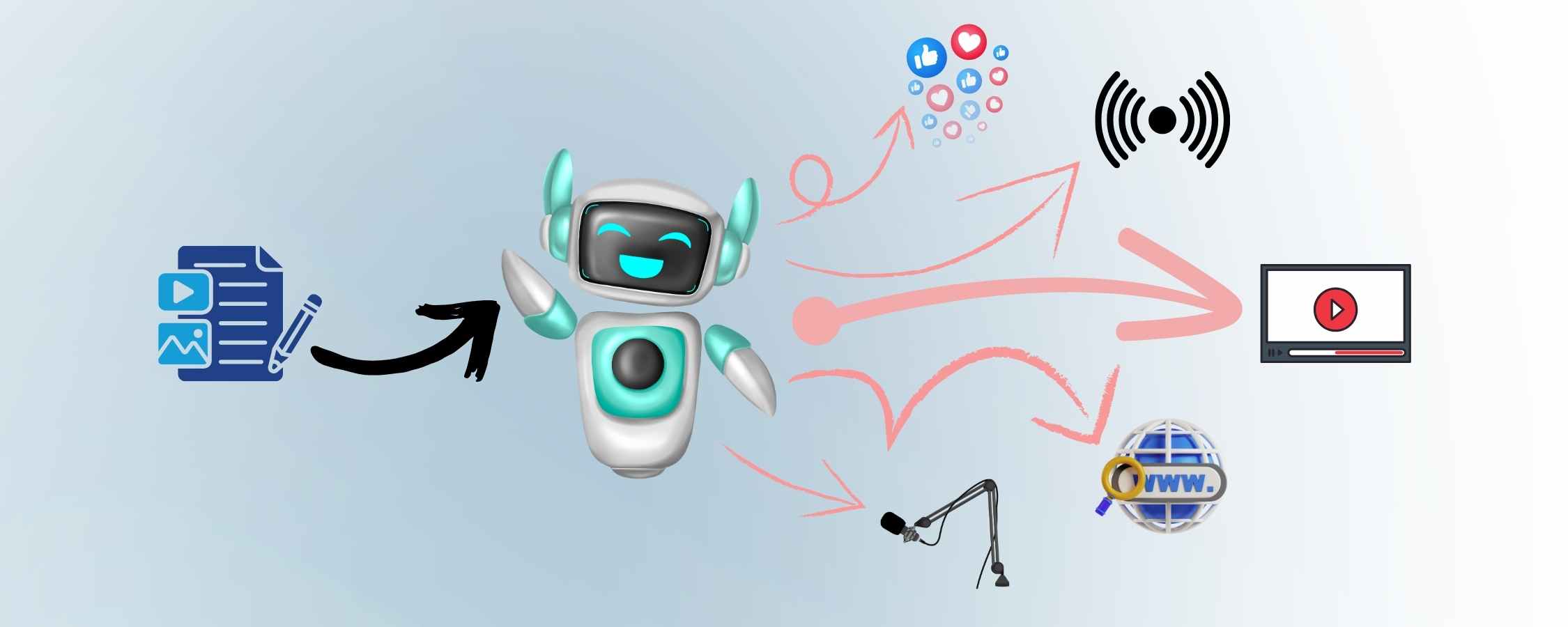
In recent years, artificial intelligence has quietly changed the way we create audio and video. From AI-powered noise removal to automatic voice enhancement, many creators now wonder whether traditional soundproofing and acoustic treatment are still necessary. If software can clean audio with a click, why invest time and money into physical acoustic setups?
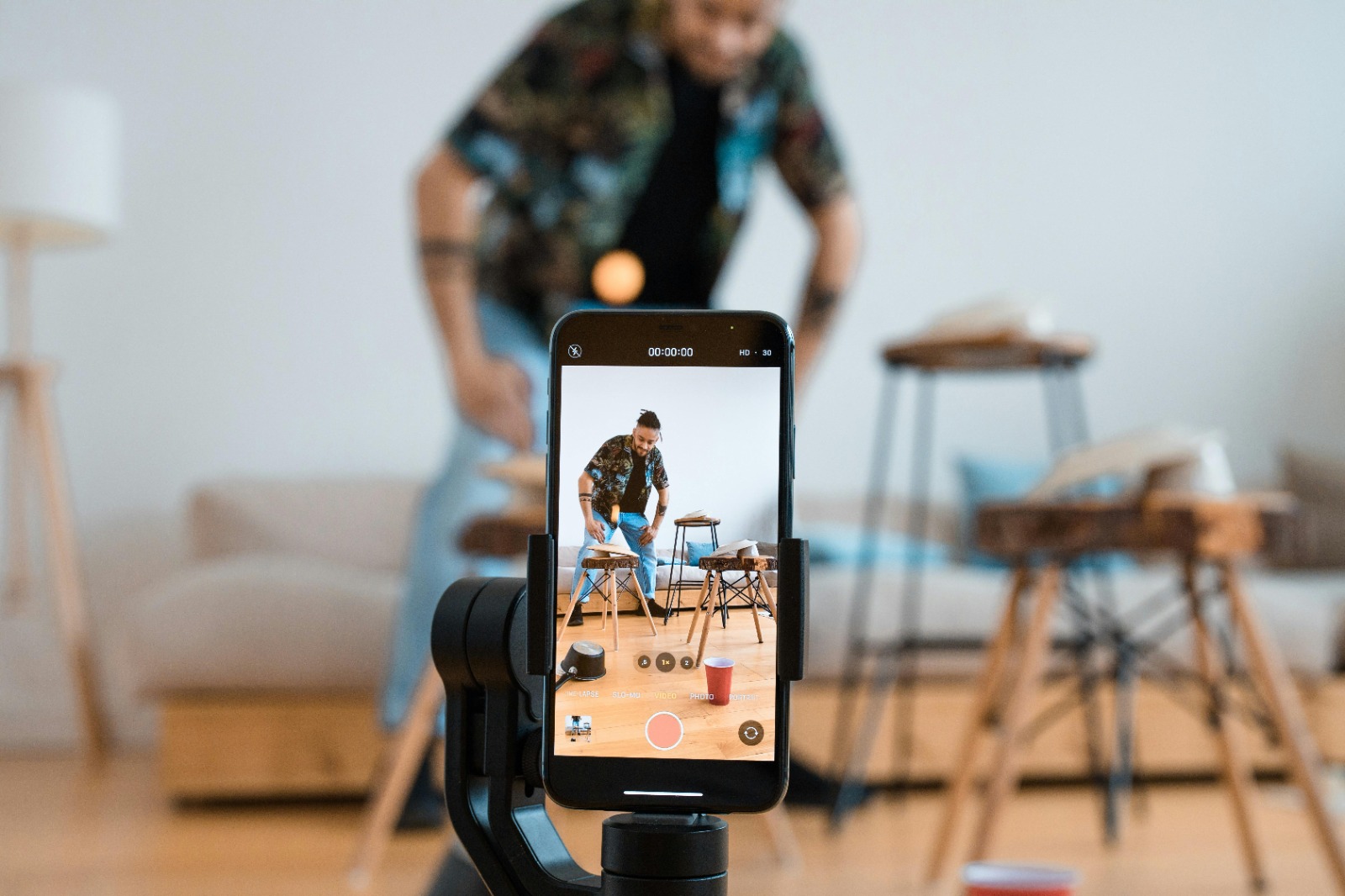
This question is especially relevant in 2026, when content creation has become more accessible than ever. YouTubers record from bedrooms, podcasters work from home offices, brands shoot videos in rented spaces, and educators teach online from living rooms. At the same time, professional studios continue to invest heavily in acoustic treatment and soundproofing.
So what is the truth? Is acoustic treatment outdated? Has AI made soundproofing unnecessary? Or do both still play important roles?
In this long-form guide, written in simple and humanized language, we will clearly explain the difference between acoustic treatment and digital noise reduction, how AI tools actually work, where they succeed, where they fail, and what this means for creators, brands, and businesses. We will also connect these insights with the real-world practices of StarJD.com, a global name in video production, advertisement shoots, studio rentals, and podcast services—where sound quality is never left to chance.
Why Sound Quality Still Matters More Than Ever
Audiences today are extremely sensitive to sound quality. Viewers may forgive average visuals, but unclear or distracting audio immediately reduces trust. A video that looks great but sounds echoey, muffled, or artificial feels unprofessional, no matter how advanced the technology behind it is.
In a crowded digital world, sound quality is not just technical—it is emotional. Clean audio feels calm, confident, and credible. Poor audio feels stressful and unreliable. This is why sound remains one of the most important pillars of professional storytelling.
Studios like StarJD.com understand this deeply. Whether it is a podcast, an advertisement, or a branded film, sound quality is treated as a foundation, not an afterthought.
Understanding Acoustic Treatment in Simple Terms
Acoustic treatment is about controlling how sound behaves inside a room. When you speak or play audio, sound waves bounce off walls, ceilings, floors, and objects. These reflections create echo, reverb, and uneven frequency response.
Acoustic treatment uses physical materials—such as acoustic panels, foam, fabric, curtains, carpets, and diffusers—to absorb or scatter sound waves. The goal is not silence, but clarity.
A well-treated room allows your voice to sound natural, focused, and consistent. It reduces echo and prevents your microphone from capturing unwanted reflections.
This is very different from soundproofing. Acoustic treatment improves sound inside the room, while soundproofing prevents sound from entering or leaving the room.
What Is Soundproofing and Why It Is Often Confused
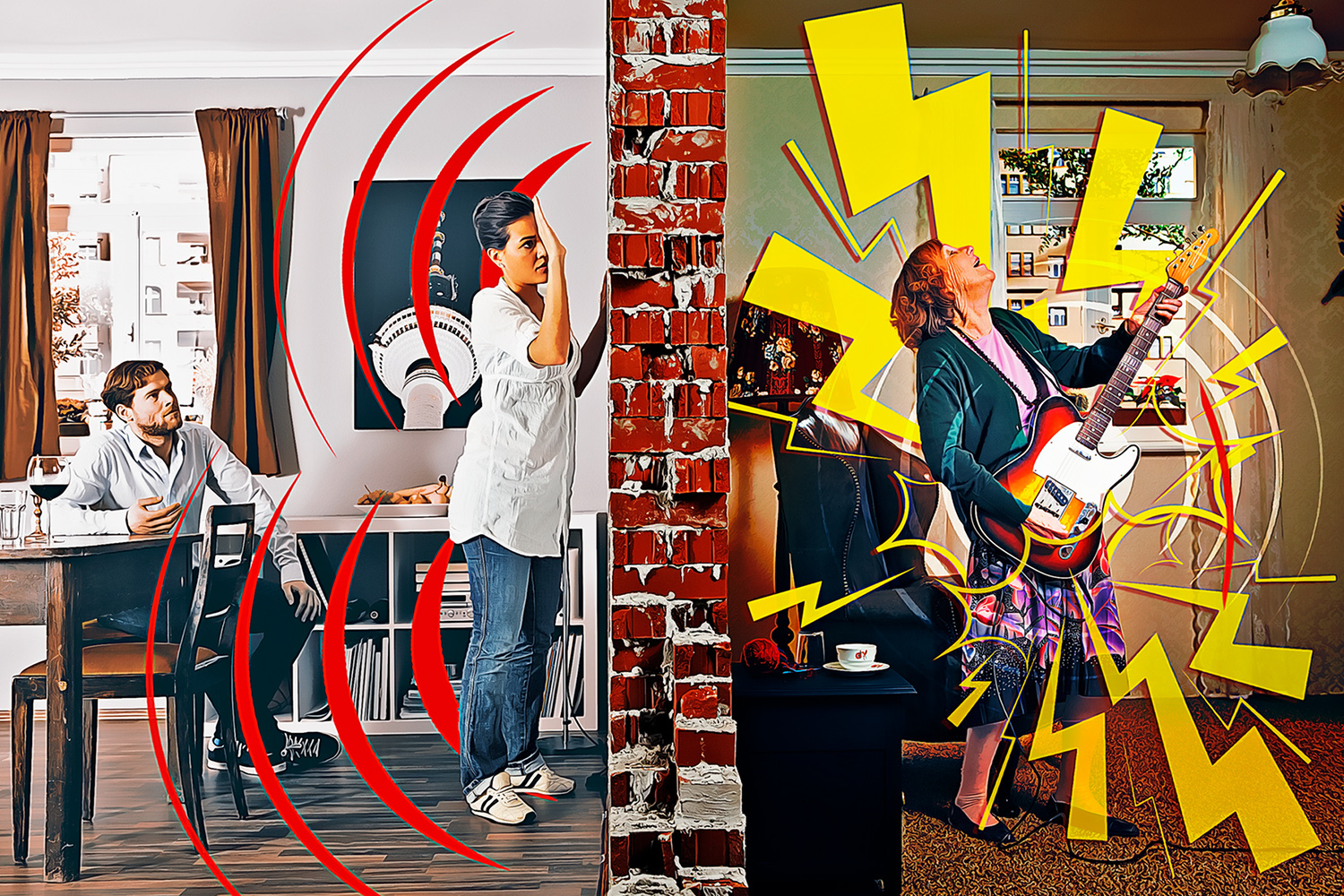
Soundproofing is about blocking sound transmission. It prevents external noise like traffic, neighbors, or construction from entering the room, and stops your sound from leaking outside.
True soundproofing requires mass, isolation, and airtight construction. It involves dense walls, sealed doors, double glazing, and structural changes. Because of this, true soundproofing is expensive and difficult to achieve in home setups.
Many creators think acoustic foam makes a room soundproof, but this is a common misunderstanding. Foam reduces reflections—it does not block noise.
Professional studios, including those used by StarJD.com, combine soundproofing and acoustic treatment to create controlled recording environments. At home, creators often focus mainly on acoustic treatment.
Digital Noise Reduction: What AI Actually Does
Digital noise reduction works after sound is recorded. AI-based tools analyze audio files and try to separate the voice from unwanted noise. This includes background hum, hiss, fans, traffic, keyboard clicks, or air conditioners.
Modern AI tools are impressive. They can clean up audio that would have been unusable just a few years ago. This has given creators more flexibility and confidence.
However, AI does not remove problems—it hides or reshapes them. It guesses what your voice should sound like and removes what it thinks is noise.
This guessing process is where limitations appear.
The Hidden Limitations of AI Noise Reduction
AI tools work best when the original recording is already fairly clean. When audio is heavily echoey, distorted, or mixed with overlapping sounds, AI struggles.
One common issue is that aggressive noise reduction makes voices sound artificial, robotic, or hollow. Another issue is loss of detail—emotion, breath, and natural tone can disappear.
AI also cannot fully remove room echo. Echo is part of the voice itself once recorded. Removing it digitally often damages clarity.
This is why professionals treat AI as a support tool, not a replacement for good acoustics.
Acoustic Treatment vs Digital Noise Reduction: A Real Comparison
Acoustic treatment prevents problems before they happen. Digital noise reduction fixes problems after they occur.
When audio is recorded in a well-treated room, it requires minimal processing. The voice sounds natural and editing is faster.
When audio is recorded in a poor room and cleaned with AI, results vary. Some recordings improve significantly, while others lose quality.
Professional production environments prefer prevention over correction. This philosophy is central to studios like StarJD.com, where consistent quality matters across projects and clients.
Do You Still Need Acoustic Treatment in the Age of AI?
The honest answer is yes—acoustic treatment is still essential. AI has reduced the barrier to entry, but it has not replaced physics.
Sound behaves the same way it always has. Microphones still capture reflections. Rooms still color sound. AI cannot fully undo poor recording environments.
What has changed is balance. Creators no longer need perfect rooms to start, but they benefit enormously from even basic treatment.
Practical Home Studio Reality in 2026
Most creators work from bedrooms or home offices. Full soundproofing is unrealistic, but acoustic treatment is achievable.
Simple steps like adding curtains, rugs, bookshelves, or soft furnishings reduce echo. Portable acoustic panels and reflection filters help further.
Combined with gentle AI noise reduction, these setups produce excellent results.
This hybrid approach mirrors professional thinking: fix what you can physically, then polish digitally.
Why Professional Studios Still Invest in Acoustics
If AI could replace acoustic treatment, professional studios would have stopped building treated rooms. They have not.
Studios used by StarJD.com invest heavily in acoustics because:
It ensures consistency across recordings
It preserves natural voice tone
It reduces editing time
It improves listener comfort
It protects brand credibility
AI tools are used as enhancements, not crutches.
Podcasts, Voiceovers, and Brand Content
Podcast listeners are especially sensitive to sound quality because audio is the main experience. Echo or artificial noise reduction becomes tiring over time.
Brand advertisements rely on trust. If audio feels processed or unnatural, it subconsciously affects perception.
This is why podcast studios and brand productions continue to prioritize acoustic environments.
When AI Noise Reduction Makes Sense
AI noise reduction is extremely useful in certain situations. It helps when recording on location, in uncontrolled environments, or during travel.
It is also helpful for quick content, social media clips, and live sessions where perfect acoustics are impossible.
Even professional teams like StarJD.com use AI tools strategically when needed—but never as a substitute for good recording practices.
Cost vs Value: A Long-Term View
Basic acoustic treatment is often cheaper than expected. Simple changes improve sound dramatically.
Over time, relying only on AI can cost more through lost quality, longer editing, and listener fatigue.
Sound quality is an investment in trust.
The Role of Studio Rentals in the AI Era
Many creators choose hybrid workflows. They record most content at home and rent professional studios for important projects.
Studio rentals from partners like StarJD.com provide controlled acoustics, professional microphones, and experienced engineers—saving time and ensuring premium results.
Star JD’s Approach to Sound in a Modern World
Star JD – Your trusted partner for top-tier video production, advertisement shoots, studio rentals, and podcast services across the globe. With a passion for creativity and quality, we bring your brand's vision to life through compelling storytelling.
At StarJD.com, sound is treated as storytelling, not just technology. Acoustic treatment, experienced engineers, and modern digital tools work together to deliver clarity, emotion, and impact.
The Future of Audio: Collaboration Between Physics and AI
The future is not acoustic treatment versus AI—it is collaboration.
AI will continue to improve, but physics will not change. The best results will always come from combining good recording environments with smart digital enhancement.
Creators who understand this balance will stand out.
Final Thoughts
AI has changed audio production, but it has not replaced the need for acoustic treatment. It has simply shifted expectations.
You no longer need a perfect room to begin, but you still need to respect sound.
Great audio is not about tools—it is about intention, environment, and care.
And when sound truly matters, professional environments like those at StarJD.com remain irreplaceable.
FAQs: Acoustic Treatment vs Digital Noise Reduction
Q1 Is acoustic treatment still necessary if I use AI noise reduction?
Yes. Acoustic treatment improves sound at the source, which AI cannot fully replicate.
Q2 Can AI remove echo from recordings?
Only partially. Heavy echo is very difficult to remove without damaging voice quality.
Q3 Do I need soundproofing for a home studio?
Usually no. Basic acoustic treatment is more practical for most creators.
Q4 When should I use professional studios instead of home setups?
For podcasts, advertisements, or brand content where sound quality is critical.
Q5 Does StarJD.com offer podcast and audio-focused studios?
Yes. StarJD.com provides acoustically treated studios and professional audio support worldwide.
In the age of AI, great sound still begins in the room.
Payal Saini
Published on January 14, 2026