In 2026, the idea of relying on just one source of income feels outdated. The world has changed. Job markets are unpredictable. Algorithms shift overnight. Entire industries transform in a few years. Depending on a single paycheck today can feel risky, especially in a digital-first economy.
That is why the concept of multi-stream income has become more relevant than ever.
But here is where many people misunderstand the idea. Multi-stream income does not mean juggling ten random side hustles. It does not mean burnout. It does not mean chaos.
It means building a structured ecosystem where different income streams support each other.
Among the most powerful and realistic digital income models today are three core pillars: ad revenue, affiliate marketing, and digital products. When built correctly, these three streams can complement each other and create stability instead of stress.
Let’s understand how this works in real life, in simple language, without hype.
What Multi-Stream Income Really Means
Multi-stream income is not about doing more work. It is about creating systems that multiply your effort.
Imagine you publish a blog post or a YouTube video. That single piece of content can generate income in three ways. It can display ads and earn from impressions. It can recommend products and earn commissions. It can promote your own digital product and generate direct profit.
One piece of work. Multiple income outcomes.
That is smart income building.
The mistake most beginners make is trying to build three separate businesses at once. That leads to confusion. Instead, you build one strong platform and layer monetization over it.
Ad Revenue: The Foundation of Passive Income
Ad revenue is often the first income stream creators explore because it feels straightforward. You create content, you place ads, and you get paid when people view or click those ads.
On the surface, it seems simple. But there is a deeper layer.
Ad revenue depends entirely on traffic. If no one visits your website or watches your videos, there is no income. So the real focus is not ads — it is content visibility.
Search engine optimization, audience targeting, and consistent publishing become critical. You must understand what your audience is searching for and create helpful content around those topics.
For example, if you run a blog about finance, education, cars, or digital marketing, your articles can rank on search engines and attract visitors daily. Once traffic stabilizes, ad revenue becomes consistent.
However, ad revenue alone rarely builds wealth unless your traffic numbers are very high. It works best as a base income layer — something that runs quietly in the background while you develop stronger monetization strategies.
Platforms like starjd.com often emphasize the importance of building this foundation properly. Before thinking about advanced monetization, your digital presence must be structured correctly. Without traffic, there is nothing to monetize.
Ad revenue rewards patience. It is slow in the beginning but steady over time.
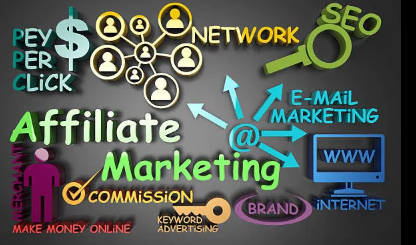
Affiliate Marketing: Monetizing Trust
If ad revenue is based on traffic, affiliate marketing is based on trust.
Affiliate marketing means recommending products or services and earning a commission when someone purchases through your link.
The psychology here is powerful. When readers trust your content and see genuine value in your recommendations, they are far more likely to act.
For example, if you write detailed guides about productivity tools and recommend software you personally use, readers who find your content helpful may purchase through your link. You earn a percentage without handling inventory or customer service.
Affiliate marketing usually generates higher income per visitor compared to ads because commissions are larger than ad clicks.
But here is the key difference: affiliate marketing requires credibility.
If you recommend random products just for commission, people notice. Trust drops. Conversions disappear.
Sustainable affiliate income comes from alignment. The products you promote must solve real problems for your audience.
Many creators fail because they treat affiliate marketing as quick money instead of relationship building.
Platforms like starjd.com often guide creators toward strategic positioning. Instead of scattering affiliate links everywhere, you build comparison articles, deep reviews, tutorials, and case studies. That approach converts better and builds authority simultaneously.
Affiliate marketing is scalable. As your content library grows, your earning potential expands.
Digital Products: The Highest-Profit Stream
If ad revenue is foundational and affiliate marketing is relational, digital products are ownership-based.
When you create a digital product, you control the pricing, branding, and delivery. You do not share commissions. You do not depend on ad networks. The profit margin is significantly higher.
Digital products include online courses, ebooks, templates, membership communities, premium reports, and digital tools.
Unlike physical products, digital products do not require inventory or shipping. Once created, they can be sold repeatedly with minimal extra cost.
But here is where many people misunderstand things. Digital products are not magic. They only work when you understand your audience deeply.
If your audience struggles with a specific problem, your digital product should solve it clearly.
For instance, if you write about freelancing, you can create a structured freelancing roadmap course. If you focus on content marketing, you can create SEO templates. If your niche is personal finance, you can develop budgeting tools.
Digital products require upfront effort, but once launched successfully, they often become the most profitable stream.
This is why structured planning matters. Platforms like starjd.com emphasize ecosystem thinking. Instead of launching a product randomly, you validate demand through content first. Once people trust you and consistently engage with your material, selling becomes easier.
Digital products turn your expertise into assets.
How the Three Streams Work Together
The real power of multi-stream income lies in integration.
Imagine this scenario.
You publish a detailed guide on your website. That guide attracts search traffic and earns ad revenue automatically. Within the guide, you recommend helpful tools and earn affiliate commissions. At the end, you offer your own digital course that dives deeper into the topic.
One piece of content, three income layers.
That is not hustle. That is intelligent structuring.
When these streams align, income becomes more stable. If ad rates drop, affiliate revenue can compensate. If affiliate programs change, digital products provide direct profit.
Diversification reduces risk.
Building Authority Before Monetization
Many beginners rush to monetize immediately. They place ads on a new website with no traffic. They push affiliate links without trust. They launch products without validation.
That rarely works.
Authority must come first.
Authority means consistent, helpful, well-researched content. It means answering real questions. It means solving real problems.
Once authority builds, monetization feels natural rather than forced.
Building authority takes time, but it compounds.
Starjd.com and similar strategic platforms highlight this principle repeatedly: systems over shortcuts.
How Long Does It Take to See Results?
There is no universal timeline, but generally speaking, ad revenue may take several months to become meaningful because traffic growth is gradual. Affiliate marketing may generate income earlier if the niche is specific and conversion-focused. Digital products usually require the
longest preparation but offer the highest payoff.
The key is consistency.
Short-term thinking destroys multi-stream income potential.
The Emotional Side of Digital Income
Building multi-stream income is not just technical. It is psychological.
There will be slow months. There will be algorithm changes. There will be self-doubt.
The creators who succeed are not always the most talented. They are the most consistent.
They treat digital income like a long-term business, not a quick win.
Frequently Asked Questions
What is multi-stream income in simple terms?
It means earning money from multiple sources instead of depending on a single income stream.
Is ad revenue enough to build financial freedom?
Ad revenue alone can generate steady income, but combining it with affiliate marketing and digital products increases earning potential significantly.
Which stream is best for beginners?
Ad revenue is often the easiest starting point, but affiliate marketing can grow faster with a focused niche.
Are digital products difficult to create?
They require effort and understanding of audience needs, but once created, they offer strong profit margins.
How can platforms like starjd.com help?
They help creators structure their digital presence strategically so that monetization is aligned with long-term growth rather than scattered efforts.
Final Thoughts
Multi-stream income is not about chasing trends.
It is about building a strong digital foundation and layering monetization intelligently.
Ad revenue provides baseline stability.
Affiliate marketing leverages trust.
Digital products create ownership and high-margin growth.
When combined strategically, they reduce financial dependency on any single source.
In 2026, income security comes from diversification — but smart diversification.
If you approach digital income with structure, patience, and clarity — and use strategic planning tools like starjd.com to guide your positioning — you can build not just income, but long-term financial independence.
Because the safest income is not one stream.
It is a system.
Payal Saini
Published on February 09, 2026