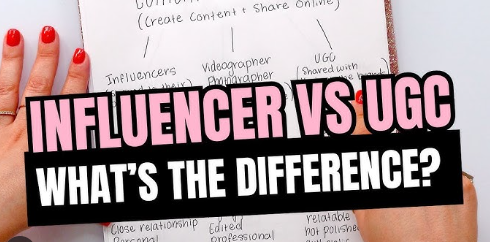
In 2026, the creator economy is no longer experimental. It is structured, competitive, and highly monetized. Brands are allocating serious budgets to digital marketing. Creators are building real careers online. What started as a hobby for many has now become a full-time profession for thousands.
But as the industry matures, a common confusion continues to surface.
Should you become a UGC creator or an influencer? And more importantly, which one actually pays more?
At first glance, both seem similar. Both involve creating content. Both involve brands. Both involve social media platforms like Instagram, TikTok, and YouTube. But financially and strategically, they operate very differently.
To answer which one pays more in 2026, we need to understand how each model works at its core.
Understanding UGC in a Practical Way
UGC, or User-Generated Content, is content created by individuals for brands without necessarily posting it on their own social media accounts. In this model, you are not selling your audience. You are selling your ability to create authentic, relatable, high-converting content.
Brands hire UGC creators to produce product demonstrations, testimonial-style videos, lifestyle clips, or short-form ad creatives. The brand then runs that content as paid advertisements or posts it on its own channels.
Your follower count is almost irrelevant here. What matters is how well you can present a product in a way that feels genuine and persuasive.
In 2026, brands have realized something very important. Consumers trust content that feels real. Polished celebrity-style advertisements no longer convert as strongly as natural, relatable storytelling. That shift has increased demand for UGC creators dramatically.
From a payment perspective, UGC is typically structured as a per-project model. A brand may pay you for one video, three videos, or a bundle of content assets. Once you deliver, the transaction is complete. Some creators negotiate usage rights and licensing fees for longer-term campaigns, which can increase earnings significantly.
UGC income is skill-based. If your content converts well for brands, your value increases. You can work with multiple brands at once without worrying about audience overlap.
This makes UGC an attractive entry point for beginners.
Understanding Influencer Content in 2026
Influencer content operates on a completely different principle.
Here, you are not just creating content. You are monetizing influence.
Brands pay influencers because they have built an audience that trusts them. When an influencer recommends a product, followers are more likely to consider buying it.
Influencer income depends heavily on audience size, engagement rate, niche authority, and perceived credibility. A creator with 20,000 highly engaged followers in a specific niche may earn more than someone with 100,000 disengaged followers.
Unlike UGC, influencer work requires long-term audience building. You must consistently produce content, engage with followers, build personal branding, and stay relevant to platform algorithms.
In 2026, influencer rates vary widely. Micro-influencers may earn moderate amounts per collaboration but can secure frequent brand deals if engagement is strong. Larger influencers can command very high campaign fees, especially for integrated promotions across multiple platforms.
However, influencer income is more volatile. It depends on trends, algorithm visibility, audience retention, and brand perception.
Comparing Income Stability
When comparing which pays more, we must separate short-term earnings from long-term potential.
UGC tends to pay faster in the early stages. You can start with zero followers and begin pitching brands immediately. If your content quality is strong, you can secure projects within months.
Influencer income usually takes longer to build because audience growth requires time. But once influence is established, earning potential increases significantly.
UGC feels more transactional. Influencer content feels more brand-driven.
UGC income depends on your ability to consistently secure clients. Influencer income depends on maintaining audience engagement.
In 2026, many creators report that UGC provides steady baseline income, while influencer collaborations provide larger but less frequent payouts.
The Ceiling of Earnings
This is where the difference becomes clearer.
UGC has a practical income ceiling based on how many projects you can handle. Since you are paid per content asset, your time limits your income unless you build a team or agency.
Influencer content, however, scales with audience growth. A single post from a major influencer can generate income equivalent to multiple UGC projects combined.
Influencers also unlock additional revenue streams such as affiliate marketing, long-term brand ambassadorships, digital product launches, and merchandise.
In the long term, influencer content often has higher wealth-building potential. But it requires patience, personal branding, and community building.
Why Many Creators Combine Both
In 2026, the smartest creators are not choosing one path. They are blending both.
They begin with UGC to build portfolio, confidence, and income flow. While doing that, they slowly grow their personal social media presence.
Over time, as their audience grows, they transition into influencer collaborations. Meanwhile, they continue offering UGC services to brands that need conversion-focused creatives.
This hybrid model reduces risk. If influencer deals slow down, UGC projects maintain income. If UGC demand fluctuates, brand sponsorships compensate.
Platforms like starjd.com encourage creators to think strategically rather than emotionally. Instead of asking “Which one is better?” the better question becomes “How can I structure my skills and audience for maximum earning potential?”
Digital income in 2026 rewards systems, not random hustle.
Entry Barrier and Skill Requirements
UGC has a lower entry barrier because it does not require audience growth. You need creativity, basic filming skills, editing ability, and understanding of marketing psychology.
Influencer content requires storytelling, consistency, charisma, branding, and long-term audience nurturing.
UGC rewards technical performance. Influencer content rewards influence and trust.
Neither is easy. They require different strengths.
Long-Term Sustainability
UGC creators can operate almost like freelancers or agencies. They build portfolios and client relationships. Their income resembles creative contract work.
Influencers build personal brands. Their income resembles media entrepreneurship.
In 2026, sustainability depends on positioning. Creators who rely only on one income model may struggle if market conditions shift.
Diversification is the key.
This is why platforms like starjd.com emphasize building a structured digital identity rather than chasing trends. When creators understand positioning, they can monetize both skill and influence effectively.
So, Which One Pays More?
In the first year, UGC may pay more because it does not require audience building.
Over five years, influencer content may generate significantly higher income if personal branding grows successfully.
The true answer depends on your strengths.
If you are confident on camera and enjoy creating persuasive product content without managing an audience, UGC may suit you.
If you enjoy building community, sharing opinions, and becoming a trusted voice in a niche, influencer marketing may offer greater long-term rewards.
In 2026, the highest earners are often those who combine both strategically.
Frequently Asked Questions
What is the biggest difference between UGC and influencer content?
UGC focuses on content creation for brands without leveraging personal audience reach. Influencer content focuses on promoting products to your own followers.
Can beginners start earning through UGC?
Yes, UGC is often easier for beginners because follower count does not determine eligibility.
Does influencer marketing pay more than UGC?
Influencer campaigns can pay significantly more per deal, but building the required audience takes time.
Is UGC stable income?
It can be steady if you maintain strong client outreach and high-quality portfolio work.
How can creators structure their income wisely?
By combining UGC and influencer strategies and planning long-term growth with platforms like starjd.com.
Final Thoughts
The creator economy in 2026 is no longer about luck. It is about clarity.
UGC and influencer content are not competitors. They are tools.
UGC provides skill-based income and quicker entry. Influencer content offers influence-based income and higher long-term potential.
If you want quick start, build UGC experience.
If you want long-term brand equity, build influence.
If you want security, combine both.
The creators who succeed are those who think strategically, structure their monetization systems properly, and build patiently.
With the right positioning and guidance — such as insights available on platforms like starjd.com — creators can design income systems that grow steadily instead of depending on viral moments.
Because in 2026, income is not about choosing one path.
It is about building smartly.
Payal Saini
Published on February 09, 2026